
What to Expect During a Commercial Security System Install
Installing a commercial security system can feel like a big task, whether you're managing a large campus or a small office space. Understanding what happens during the installation can ease anxieties and help you better prepare for the process. In this blog, we'll walk you through all the key steps of a commercial security system installation, ensuring you're well-informed from start to finish.
Initial Consultation and Assessment
Before any equipment is installed, the process typically begins with a detailed consultation. During this stage, a security expert assesses your specific needs, evaluates the property layout, and discusses any existing security concerns. This helps tailor the security system specifically to your environment, ensuring maximum safety and efficiency.
A crucial aspect of this initial phase is understanding the unique challenges and opportunities presented by your location. For instance, businesses located in busy urban areas might focus on advanced video surveillance to deter potential crimes, while those in quieter areas may prioritize access control systems. During the consultation, experts aim to address potential vulnerabilities and incorporate solutions that enhance overall security without compromising on convenience.
Moreover, this is a collaborative phase where communication between the client and the security provider is vital. It's an opportunity for you to express any specific security concerns, like protecting sensitive areas or managing high traffic during certain hours. By doing so, you help to ensure the final system design accurately reflects your operational needs and strategic goals.
Designing a Customized Security Solution
Once the assessment concludes, the next step involves designing a security system that aligns perfectly with your business needs. The design will consider factors like entrances, exits, high-traffic areas, and other essential elements unique to your campus or office setting.
Incorporating the latest in campus security technology can also play a significant role in design. Innovations such as AI-powered analytics, real-time alerts, and advanced user interfaces are transforming how businesses safeguard their premises. By leveraging state-of-the-art technology, the designed system can offer more than mere surveillance—it can provide actionable insights to improve security response times and enhance situational awareness.
The design phase isn't just about choosing the right equipment—it's about crafting a cohesive strategy that foresees potential challenges. For instance, integrating a system that aligns with existing infrastructures, such as incorporating smart locks or connecting with mobile applications, helps in creating a seamless user experience. This strategic forethought ensures not only immediate benefits but also long-term sustainability and scalability of your security investment.
Installation Process: What Happens On-Site
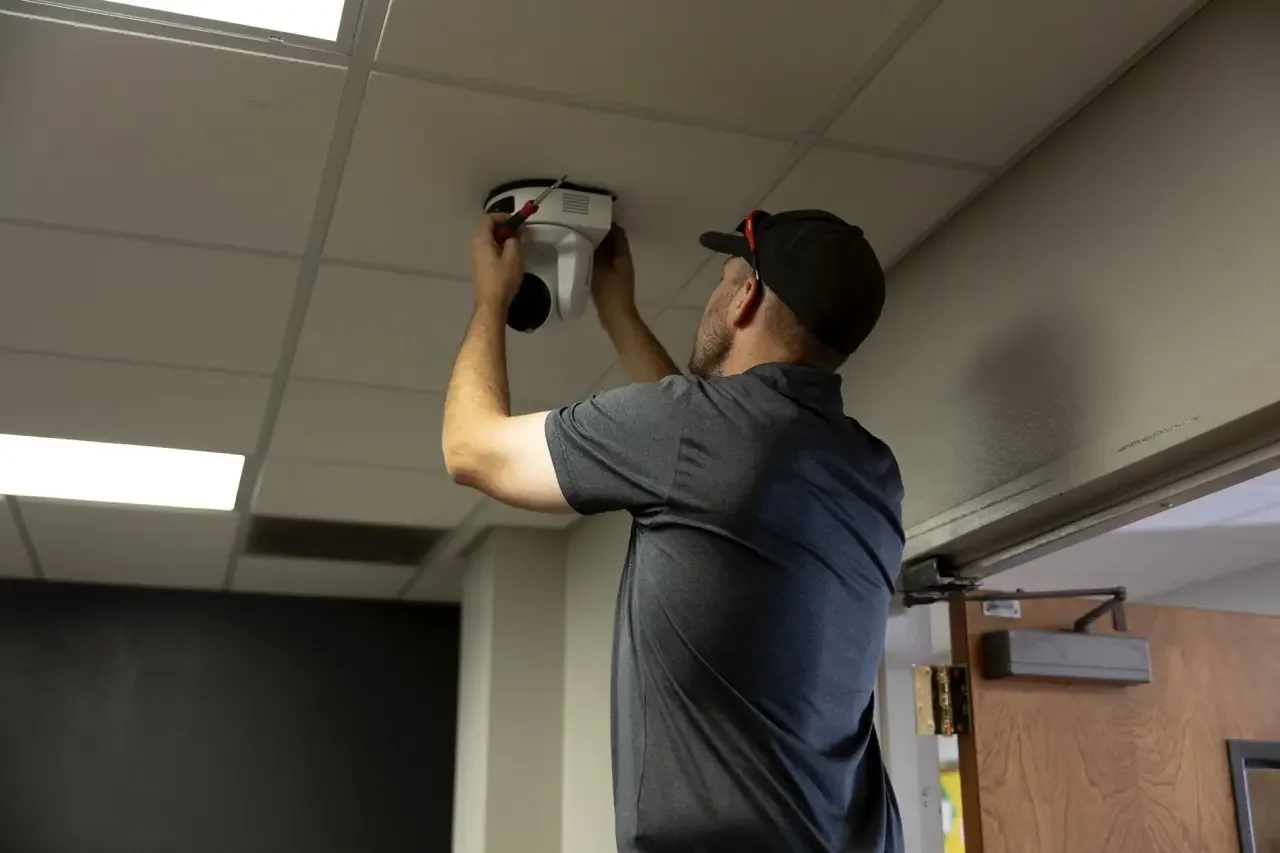
During the installation, certified technicians will arrive on-site to set up the system. This may include installing cameras, access control systems, sensors, and related wiring. The process is usually planned to cause minimal disruption to your daily operations.
Typically, the installation plan is meticulously orchestrated to align with your operational flow. This ensures that critical business areas remain functional, minimizing downtime during setup. For large campuses, spreading installation over multiple phases might be more effective, allowing certain sections to receive full coverage without overwhelming resources or causing delays.
It's important to note that reliable providers will adhere to strict industry standards and guidelines throughout the process. This not only guarantees the safety of the equipment and personnel involved but also ensures compliance with legal and environmental regulations. Ensuring these criteria are met can significantly reduce the risk of future technical issues, offering peace of mind when the system is operational.
Testing and Ensuring System Efficiency
Once installation is complete, technicians will conduct thorough testing to ensure everything functions correctly. They'll check the effectiveness of cameras, access controls, and alarms, making any necessary adjustments to optimize performance.
During this phase, the focus is on achieving flawless functionality. Technicians will test each component under various conditions to certify dependable operation. This might include simulating emergency scenarios to observe system responses, or adjusting sensitivity settings to minimize false alarms. Such comprehensive testing ensures that the system is both robust and reliable.
Finally, effective system testing is not just about identifying problems—it's about discovering opportunities for further enhancement. Through rigorous evaluation, technicians can identify potential upgrades or additional features that could provide greater security coverage or operational efficiency. Keeping an open line of communication with your security provider during this stage can equip you with insights to maximize the system's capabilities and ROI.
Final Walkthrough and Training
After testing, you'll have a walkthrough of the new system. The technicians will demonstrate how to use the features and ensure all key personnel are comfortable operating the system. Training is essential to maximize the benefits of your new security setup and technology.
This stage often includes hands-on training sessions with your team, where experts provide valuable tips and best practices for everyday use. Emphasizing user-friendly interfaces, contemporary systems make it easier for staff to understand and manage various security functions. Effective training empowers your team to take full advantage of advanced features, such as automated security alerts and remote monitoring capabilities, ensuring a proactive approach to business security.
Gaining Insight for a Smooth Installation Experience
Understanding what happens during a commercial security system installation can greatly ease your concerns and ensure a smooth process. By knowing what to expect, you can facilitate better communication with your installation team and even ensure that you get the most from your new security measures, enhancing not just building protection, but peace of mind.
