
Are Security Cameras Effective in Monitoring Large Facilities?
In a world where security is increasingly important, especially in vast, sprawling spaces, many facility managers wonder if security cameras are a worthwhile investment. Let's delve into the effectiveness of security cameras in monitoring large facilities.
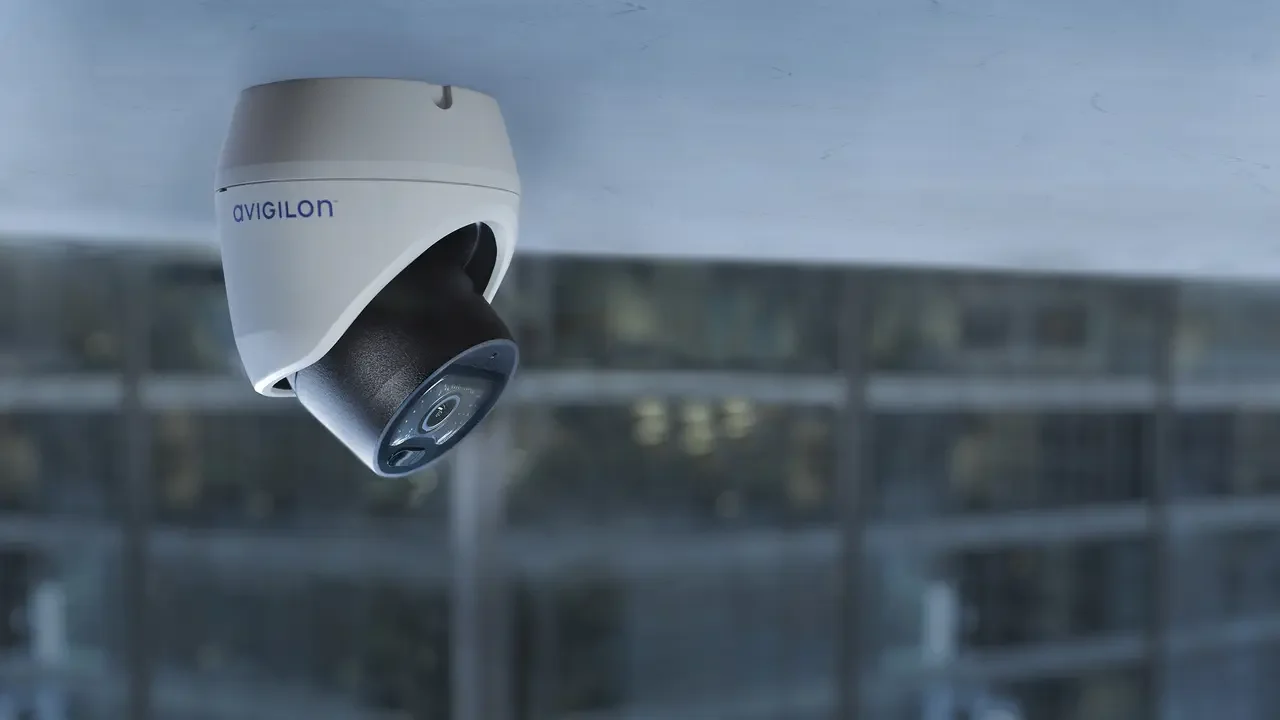
Understanding the Role of Security Cameras
Before investing in security cameras, it's crucial to understand what they can and cannot do. Their primary role is to provide real-time surveillance and record activities for future reference.
Security cameras can be likened to sentinels that tirelessly monitor every corner of a facility. They serve not just to observe but to provide peace of mind by creating a physical presence that reassures staff and visitors alike. While their watchful lenses scan for unusual activity, their true power lies in the ability to act as both a preventive and a reactive measure.
It's important to recognize that while security cameras are powerful tools, they are not standalone solutions. Effective security involves a combination of advanced technology and human oversight, creating a cohesive strategy that addresses potential vulnerabilities.
Benefits of Security Cameras in Large Facilities
Security cameras offer numerous advantages, such as acting as a deterrent to potential intruders, providing evidence in case of incidents, and monitoring high-traffic areas effectively.
One compelling benefit is the psychological impact that security cameras have on potential wrongdoers. The mere presence of a camera can reduce incidents of theft and vandalism. This deterrent is particularly vital in expansive spaces like warehouses or factories where supervising each area in person would be impractical.
In addition to deterrence, security cameras are integral in gathering evidence. In cases of accidents or security breaches, recorded footage can be analyzed to understand the sequence of events and identify responsible parties. This forensic capability dramatically enhances the facility's ability to respond thoughtfully and efficiently.
Moreover, cameras can help streamline operations by allowing managers to monitor workflows in real-time. This can lead to improved efficiency and safety, ensuring that both people and processes are functioning optimally.
Limitations and Challenges
There are some challenges to consider, including camera blind spots, the need for regular maintenance, potential privacy concerns, and the necessity of integrating cameras with other security measures.
Blind spots are a critical concern in the surveillance world. No matter how many cameras are deployed, there might still be areas that remain uncovered. It is essential to regularly evaluate these spots to ensure there are no critical gaps in security coverage.
Privacy concerns often arise with the deployment of extensive camera systems. It's crucial to balance the need for security with the rights of individuals, ensuring that monitoring practices are both ethical and legal.
Maintenance is another pivotal factor. Cameras need regular checks and updates to function correctly. This entails not only technological upgrades but also physical inspections to ensure they haven't been tampered with or damaged.
Choosing the Right Security Camera System
Selecting the appropriate camera system involves evaluating factors such as camera type, coverage area, resolution, and storage capacity to ensure maximum effectiveness in large spaces.
When considering camera types, it's vital to evaluate the specific needs of the facility. For instance, PTZ cameras offer broad views that are suitable for tracking movements across large areas, while fixed cameras might be more appropriate for monitoring specific entry points.
Resolution is a critical aspect that determines the clarity of the images captured. Higher resolutions may be necessary in areas requiring detailed surveillance, especially when facial recognition or license plate reading capabilities are needed.
Storage solutions should also be considered. A robust system will have the capacity to store extensive periods of footage, or offer cloud backups for added security and ease of access.
Strategically Placing Cameras
For optimal performance, cameras should be placed at key vantage points, covering entrances, exits, and other critical areas to ensure comprehensive surveillance.
Areas with frequent activity, such as loading docks and main hallways, require special attention. Placing cameras here can help not only in security but also in managing logistical operations efficiently by tracking movement patterns and workflow.
Exterior cameras should be weatherproof and strategically placed to cover perimeters and vulnerable access points. It is also essential to consider lighting when placing cameras to ensure clear footage is captured across different times of day.
Integrating Security Cameras with Other Systems
To maximize security benefits, it's important to integrate cameras with other systems, such as alarms and access controls, creating a holistic security network.
Integration with advanced analytics software can greatly enhance the efficacy of security systems. Modern software can quickly analyze patterns and alert staff to potential security breaches, transforming cameras into proactive security tools.
Linking security cameras with access control systems provides an added layer of protection. By doing so, management can monitor who enters and exits the facility, while seamlessly keeping a record of these events.
Final Thoughts on Deploying Security Cameras in Large Facilities
Security cameras, when strategically placed and operated, can significantly enhance the security of large facilities. By offering constant surveillance, acting as deterrents, and aiding in incident response, they are invaluable assets in maintaining a secure environment.
