
12 Questions to Ask Before Installing Lubbock Access Control
Installing access control in your business premises or home in Lubbock is a significant decision. Whether you're looking to enhance security or streamline entry access, it’s crucial to embark on this journey well-informed. This guide aims to arm you with key questions that will guide your decision-making process.
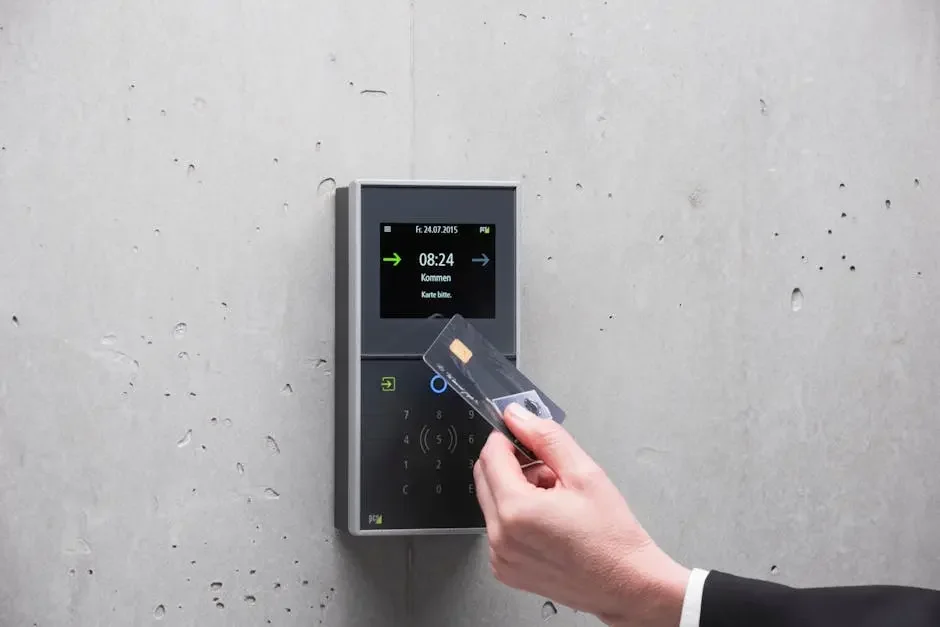
1. What Are Your Primary Security Concerns?
Understanding your main security issues is the first step. Consider whether you're dealing with unauthorized access, or simply want to keep track of entries and exits. It's crucial to pinpoint the specific risks that your environment poses. For instance, if you operate a business that deals with sensitive data or valuable inventory, protecting these assets from theft or tampering might be your greatest concern. On the other hand, if you're managing a residential complex, ensuring tenant safety might top your list. To address these different needs comprehensively, investing in a versatile system that can adapt to various security scenarios is essential.
Security is not a one-size-fits-all issue, and addressing it requires a customized approach. Define your security priorities by considering factors such as the number of people accessing your site, the hours of operation, and the specific vulnerabilities of your location. By doing so, you lay the groundwork for selecting a system that provides the right level of security without unnecessary complexity or cost. For instance, if the concern is mainly about internal access, a system that offers efficient monitoring and reporting tools could be beneficial. On the flip side, for entry-point security, devices designed to withstand forced entry attempts might be more appropriate.
2. Is the System Scalable to Your Future Needs?
Think long-term when selecting a system. Ensure it can grow with your business or adapt to extended security requirements. Whether you anticipate expanding your operations, moving to a larger space, or simply updating the existing infrastructure, having an access control system that scales can save you significant time and money. Many modern systems are designed with modularity and flexibility in mind, allowing you to incorporate new features without overhauling the entire system. Emphasizing scalability from the start not only supports future growth but also keeps your security measures robust and up-to-date.
Scalable solutions often incorporate cloud-based platforms which afford users access to the latest updates and features without the need for physical alterations. This adaptability is particularly significant in a business landscape where growth can occur unpredictably. A cloud-based system can easily integrate new devices or users, making it a valuable asset for businesses on a path of expansion. Additionally, such systems can quickly adjust to technological advancements, ensuring your security protocols remain current and effective without exhaustive resources or disruption to daily operations.
3. How User-Friendly Is the System?
The ease of use will determine how quickly your staff or family adapts. Look for simple, intuitive interfaces for seamless operation. Systems that offer user-friendly interfaces minimize the learning curve, ensuring that even non-technical users can operate the system confidently. Consider systems that support user training programs, as these can facilitate faster acclimation and smoother day-to-day operations. Streamlining the user experience also reduces the likelihood of errors that could compromise security, making user-friendliness an essential feature in any access control system.
4. What Level of Integration Does the System Offer?
Consider if the system integrates with your existing security or management systems, like CCTV cameras or building management software. The ability to work seamlessly with other security solutions enhances overall protection and efficiency. Integrated systems offer a centralized control point, which simplifies monitoring and managing security across various channels. Such integration can streamline workflows, enhance incident response times, and provide a more comprehensive understanding of security risks. As you evaluate options, ensure your chosen system harmonizes with the current infrastructure to maximize existing investments and leverage new capabilities.
5. Are Customization Options Available?
Every property has unique needs. Check if the system can be customized to fit specific requirements and preferences. Customization provides the opportunity to tailor features to your precise operational demands, such as creating specific protocols for different user groups or areas within your property. It allows for enhanced control over accessibility and security measures, making the system as restrictive or as accessible as needed. When considering potential systems, inquire about programmable features and to what extent vendors offer customization support. Flexibility in tailoring security measures means your system can evolve alongside your needs, maintaining relevance and effectiveness over time.
Customizable access control systems might include options for biometric authentication, keycard access, or even a combination of both if different levels or areas require varied security measures. It’s these bespoke solutions that often yield the greatest satisfaction among users. By aligning the system's capabilities with your specific requirements, you also allow for a seamless extension of security protocols without disrupting the flow of operations. As each space has its own nuanced requirements, personalization ensures all elements of security align with those unique details.
6. What Are the Installation Requirements?
Understanding installation logistics is key. Check if professional installation is necessary and what preparations are required. Some access control systems demand extensive setup, which might involve structural modifications or specialized wiring, while others could be more straightforward to install independently. Clarifying installation prerequisites can prevent unforeseen complications and budget overruns. Consult with the vendor to assess whether your premises support the intended system layout. Some systems also offer flexibility in installation, supporting both wired and wireless setups, which can be particularly beneficial for older buildings or those with architectural constraints.
7. How Reliable is the System in Various Conditions?
Reliability under different weather conditions or power interruptions guarantees consistent security for your premise. Systems located outdoors need to withstand elements such as extreme temperatures, humidity, and precipitation. Diving into weather-resistant features and backup power options will provide added assurance and help maintain operational integrity. Technologies such as uninterruptible power supplies (UPS) can keep your system active during blackouts, while weatherproof components ensure devices remain unharmed and fully functional regardless of environmental challenges. Prioritizing reliability ensures your access control measures are durable and dependable.
8. Can the System Accommodate Varied Access Levels?
Determine if the system allows different access permissions for various members, ensuring security and flexibility. By offering tailored access levels, personnel can be granted only the permissions necessary for their role, thereby minimizing security risks while maximizing operational efficiency. Consider systems that permit temporary access for visitors or contractors or feature a hierarchy of access permissions to better manage flow within your space. Systems that provide versatile access management can adapt to changing personnel or user needs, ensuring comprehensive security while remaining adaptable to organizational demands.
9. What Ongoing Maintenance is Required?
Factor in the required maintenance to keep the system running smoothly. Check for available support from local providers in Lubbock. Regular updates and servicing can help to identify and rectify issues before they escalate, preserving the long-term integrity of your security setup. Understanding the scope of routine maintenance, such as software updates or hardware inspections, is vital. With local support, you ensure immediate access to professional assistance, and keep the system in its optimal condition.
10. How Secure is the Data from the System?
Protecting data collected by the system is paramount. Ensure robust encryption and data protection measures are in place. In an era where data breaches are increasingly prevalent, safeguarding sensitive information collected from access control systems is critical. Explore systems that employ advanced encryption standards (AES) and two-factor authentication (2FA) to protect access credentials. Ensuring data privacy not only protects your enterprise but also complies with regulatory standards and boosts stakeholder confidence. Proactively addressing data security fortifies the overall effectiveness of your access control solution, ensuring the secure handling and storage of sensitive information.
11. What Are the Long-term Costs Involved?
Consider not just the initial investment but also the long-term costs, including potential upgrades, maintenance, and replacements. An effective cost analysis often reveals hidden expenses related to licensing, software updates, and hardware expansions. Developing a realistic budget involves accounting for license renewals, potential component replacements, and regular maintenance services that keep the system operationally reliable. Weigh the spectrum of long-term benefits against costs to avoid surprises and ensure financial feasibility. A thorough understanding of ongoing costs will help sustain the security infrastructure efficiently, with a focus on value and return on investment (ROI).
12. Is Customer Support Available Locally?
Access to local support can make resolving issues simpler and faster. Ensure there's reliable support in Lubbock for any future needs. Local support services provide faster response times and tailored services that can address unique challenges associated with your specific geographic or operational context. Personalized solutions from nearby professionals allow for on-site assessments and quicker interventions when technical issues arise. Knowing that expert assistance is readily available can significantly impact the success of your system, providing peace of mind and ensuring uninterrupted security operations.
